In conversation with Sonia Spring, Managing Director of Clinique La Prairie Holistic Health – a visionary in the field of modern wellness and the force behind one of the most innovative supplement brands in the industry – we explore the evolving definition of longevity, the role of leadership in shaping modern wellness, and how science, lifestyle and mindset are redefining how we live.
Our theme today is longevity, leadership and the future of wellbeing. To begin, could you share a little about your journey into wellness?
I actually started in a very different world – watchmaking. Being Swiss, it was a natural path, and I spent over 15 years within a luxury group, moving from product into retail across Europe and Southeast Asia. Retail, in particular, shaped my understanding of client experience – the importance of service, connection and detail. Then, at a certain point in my career, I met Simone Gibertoni, CEO of Clinique La Prairie. The vision was incredibly inspiring. Wellness and longevity were already emerging as important themes, and I felt there was something very meaningful in this space. I decided to take everything I had learned and move into wellness and I’ve never looked back. It’s a constant learning journey, but also incredibly fulfilling to be able to contribute to people’s health and quality of life.
Clinique La Prairie has nearly a century of heritage. What does it mean to lead its holistic health offering today?
Being here in Montreux, where it all began almost 100 years ago, you feel that heritage every day. There is a real sense of responsibility as well as pride in carrying that forward. Longevity may be a widely used term today, but for us it has been central for decades. What makes it exciting is not just the past, but the future. We are constantly innovating – not only in products, but in services – always bringing something new to this field. It’s about connecting that heritage with forward-thinking innovation in a way that remains meaningful.
How is the role of supplements and wellness evolving in people’s daily lives?
There has been a real shift. In the past, supplements were often taken occasionally to address a specific need at a moment in time. Today, it’s different. People want to feel better every day. They want more energy, more performance, more balance. It’s becoming part of a lifestyle. What we aim to do is inspire that shift, encouraging people to adopt habits that support their long-term wellbeing and future health. It’s no longer about reacting, but about integrating these practices consistently.
Science plays a key role in what you do. Could you explain the significance of epigenetics?
Most people are familiar with genetics, something fixed that we inherit. Epigenetics is different. It’s about how those genes are expressed. Through lifestyle, nutrition and daily habits, we can influence that expression, effectively switching certain functions on or off. This means we can positively impact how our body behaves, including slowing aspects of ageing. It’s a fascinating space, and one we are exploring deeply. It represents a new dimension in how we understand longevity, as something that can be actively shaped.
You lead with clarity and compassion – something we’ve always admired. How has your leadership style evolved?
It has definitely evolved over time. Early in my career, I was very focused and driven, but perhaps more inward – concentrating on my own performance. At one point, I was told: “You’re performing well, but you need to bring people into your world.” That stayed with me. From then on, I worked on creating more connection – engaging with people, listening and building trust. I’ve also been fortunate to have mentors who led in this way. For me, leadership today is about merging heart with head. Performance matters, but so does connection. It’s about creating an environment where people feel confident to contribute, to take ownership and to grow.
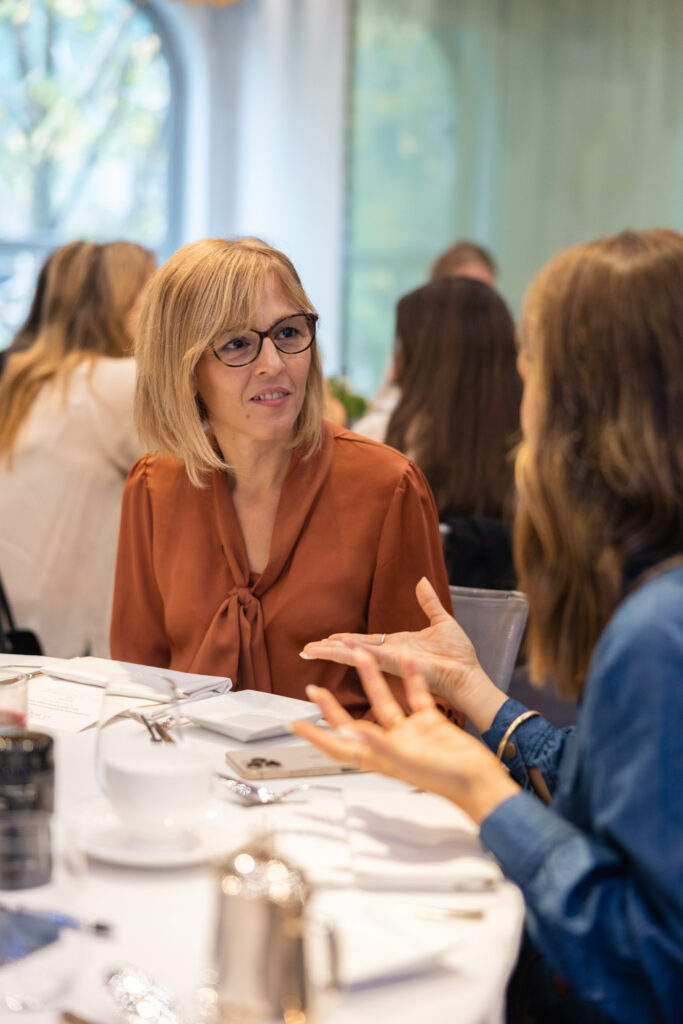
What is the most important lesson you’ve learned as a leader?
That leadership is not about having all the answers. It’s about creating a space where others feel able to bring ideas, to contribute and to take ownership. Trust is fundamental and so is humility. Sometimes, the best direction comes from the collective energy of the team.
Looking ahead, what do you see shaping the future of wellbeing?
Epigenetics will continue to be a major area of development. Beyond that, functional medicine – addressing specific needs such as energy, gut health or women’s health – will grow in importance. And mental wellbeing is becoming increasingly central. We are living in a demanding world, both professionally and personally. Supporting balance, clarity and mental health will be key.
And on a personal level, what practices help you feel your best?
Meditation has become very important for me. It allows me to disconnect and then return with more clarity. Nutrition is also key – making conscious choices that support energy and overall wellbeing. And finally, gratitude. Taking time to appreciate even small moments helps me to stay present and grounded.
Finally, how would you define longevity today?
For me, longevity is the art of thriving at every age. It’s about being aware, being mindful and taking steps that allow you to be healthy, happy and performing at every stage of life.
Listen to the full conversation below.